No, you can’t ask your agent about schools
Why your realtor can’t tell you which schools are “good,” and what to do instead.
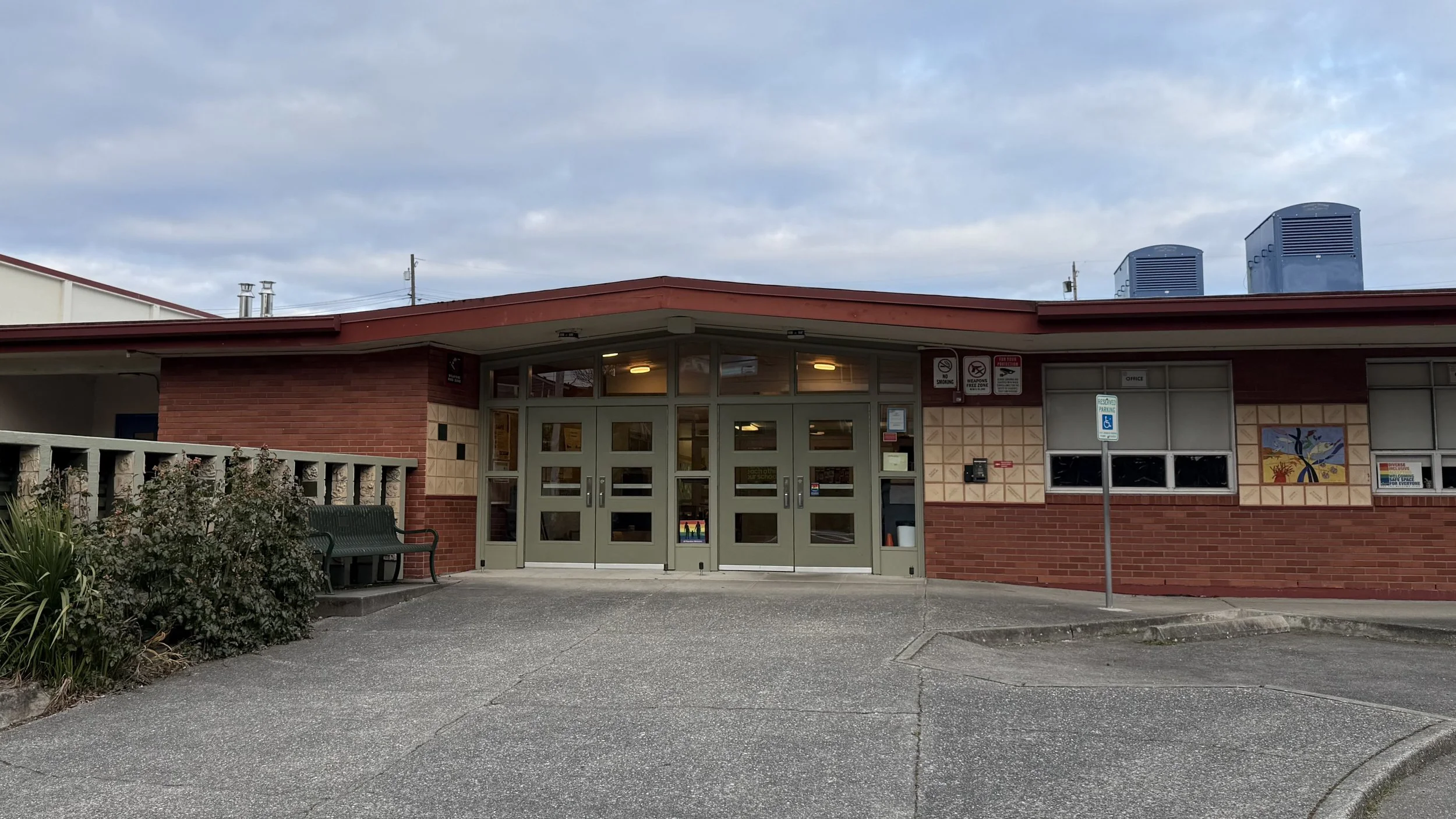
North Beach Elementary School, a Seattle Public School in Northwest Seattle.
If you've been house hunting with current or future children in mind, you've probably tried asking your agent “how are the schools?” And if your agent is doing their job correctly, they're going to dodge that question. Not because they don't care, but because they legally can't answer it.
Here's what's going on.
It's a Fair Housing issue
The Fair Housing Act prohibits housing discrimination based on race, color, national origin, religion, sex, familial status, and disability. School quality opinions, even well-intentioned commentary, has historically been used as coded language to steer buyers toward or away from certain neighborhoods based on the demographics of those neighborhoods. That practice is called steering, and it's illegal.
When a real estate agent says "that's a great school district" about one neighborhood and stays quiet about another, they're making a judgment that can influence where families with children decide to buy. The effect can be discriminatory even when the intent isn't. So agents are trained, and ethically obligated, to stay out of it entirely in today’s market. That's not a loophole or a technicality, it’s the rule, and it’s there for good reason.
What this means for you
It means the school research is yours to do. And it’s probably better this way. You're going to know more what is important to you, and you’ll get more information that’s relevant from sources that you a passing comment from anyone could anyway.
Even if your agent could tell you their opinion, a “Good school" means something different to every person. Some parents are laser-focused on test scores and college placement rates. Others care more about arts programs, special education resources, language immersion options, class sizes, or how a school handles kids who don't fit neatly into a standard curriculum or culture of a traditional education. A school that was a perfect fit for your agent's kids 10 years ago, or their last client's kids more recently, might be completely wrong for yours.
School quality is also not static. Leadership changes, programs get added and cut, and a school that had a good reputation in the past might be in the middle of a rough transition, while one that has been overlooked might be quietly becoming exceptional. Your agent isn't tracking this level of detail, and it’s too subjective for them to, even if they were. The answer to "is this a good school?" is that depends on your kid, your values, and what you find when you look into it. So here’s where to actually look.
Washington State Report Card (reportcard.ospi.k12.wa.us) -This is the official source - The Washington Office of Superintendent of Public Instruction. They publish data on every public school in the state, including test scores, graduation rates, demographics, teacher qualifications, absenteeism rates, and more. It's not flashy, but it's accurate and it's public information. So start here before you go anywhere else.
GreatSchools (greatschools.org) - GreatSchools is the most widely used third-party school rating tool and it pulls from OSPI data for Washington schools. The ratings are a useful starting point, but worth some scrutiny, because the scores weigh test performance heavily, which tends to correlate with neighborhood income levels more than with school quality per se. Use it as a data point, not a decison.
Niche (niche.com)- Niche blends test score data with parent and student reviews, and its methodology includes factors like teacher quality, culture, diversity, and resources alongside academic outcomes. It's good for getting a more textured picture of what a school actually feels like day to day.
SchoolDigger (schooldigger.com) - SchoolDigger pulls directly from OSPI and updates rankings each year when new state assessment scores are released. It's particularly useful for side-by-side school comparisons and for tracking whether a school's performance has been trending up or down over time.
Seattle-specific: the SPS address lookup tool
If you're buying in Seattle, the public school assignment question has a wrinkle that most people don't know about until it catches them off guard. Every Seattle Public Schools student is assigned to their attendance area school based on where they live. Seattle Public Schools That means two houses on the same street -- or sometimes two sides of the same street, can feed into different schools. Boundary lines typically run down the center of the street, so addresses on attendance area boundary streets are assigned to different schools depending on the side of the street where the home is located. Seattle Public Schools
Before you fall in love with a house, use the address lookup tool at seattleschools.org to confirm exactly which schools are assigned to that specific address. Don't assume based on neighborhood, or whats in the listing on the MLS. Buyer’s have a duty to do their own due diligence, so look it up by address. And even if you know where you’ll be going for Elementary, you should check the likely matriculaion path for middle and high school too (although those could change while you live there).
Open enrollment “choice” exists, but has limits
Families can apply and request that their student attend a different school than their assigned school through the Open Enrollment for School Choice process, Seattle Public Schools and applications submitted by January 31 are considered on-time and receive tiebreaker consideration, with late applications accepted through March 31. Seattle Public Schools It's a lottery-based process, and placement isn't guaranteed, so it's worth assuming the attendance area school as your baseline, not counting on a choice assignment.
What about private and independent schools?
If you're considering private/independent schools, the research process is a little different, and the tools have some limitations worth knowing upfront. Niche is your best starting point among the sites already mentioned. Its profiles for private schools include academics, teacher quality, diversity, college prep, and parent and student reviews, making it the most useful of the three for side-by-side comparison. GreatSchools and SchoolDigger both list private schools, but neither rates them -- GreatSchools because private schools don't report standardized test data to state agencies, and SchoolDigger for the same reason. You'll find contact information and basic demographics, but no scores to compare.
For more depth, Private School Review (privateschoolreview.com) is worth bookmarking. It's built specifically for this research and includes school overviews, student body data, faculty information, admissions and tuition data, and links to related schools.
One thing none of these tools can tell you: whether a school is the right fit culturally. Private and independent schools vary enormously in philosophy, environment, and what kind of learner they're designed for. The data gets you oriented ahead of the admissions process, which usually starts with a visit or tour, followed by info sessions, applications and interviews. During the process, ask questions, and trust what you observe.
The deeper research move
Once you've narrowed down your list, go visit the schools during the school day if you can (check with the school first.) Attend a PTA meeting or open house. Read through the school's website, and ask to be connected with parents in the school community through the PTA. Ask how they communicate with families. ask not just what's "good," but what’s hard or needs improving, to understand what the school community is actually like and whether it's a fit for your kid, specifically. No rating system can tell you that.
-Peri
On Education: Why I send my kids to our low ranked neighborhood public school
I worked in school quality analysis, and I wouldn't send my kids anywhere else. by Lindsay Templeton March 19, 2026
https://lhtempleton.substack.com/p/im-a-former-ed-policy-analyst-who?utm_campaign=post&utm_medium=web&triedRedirect=true
Thinking about buying or selling in Washington State? Reach me at pnwperihomes.com or (206) 898-9609.
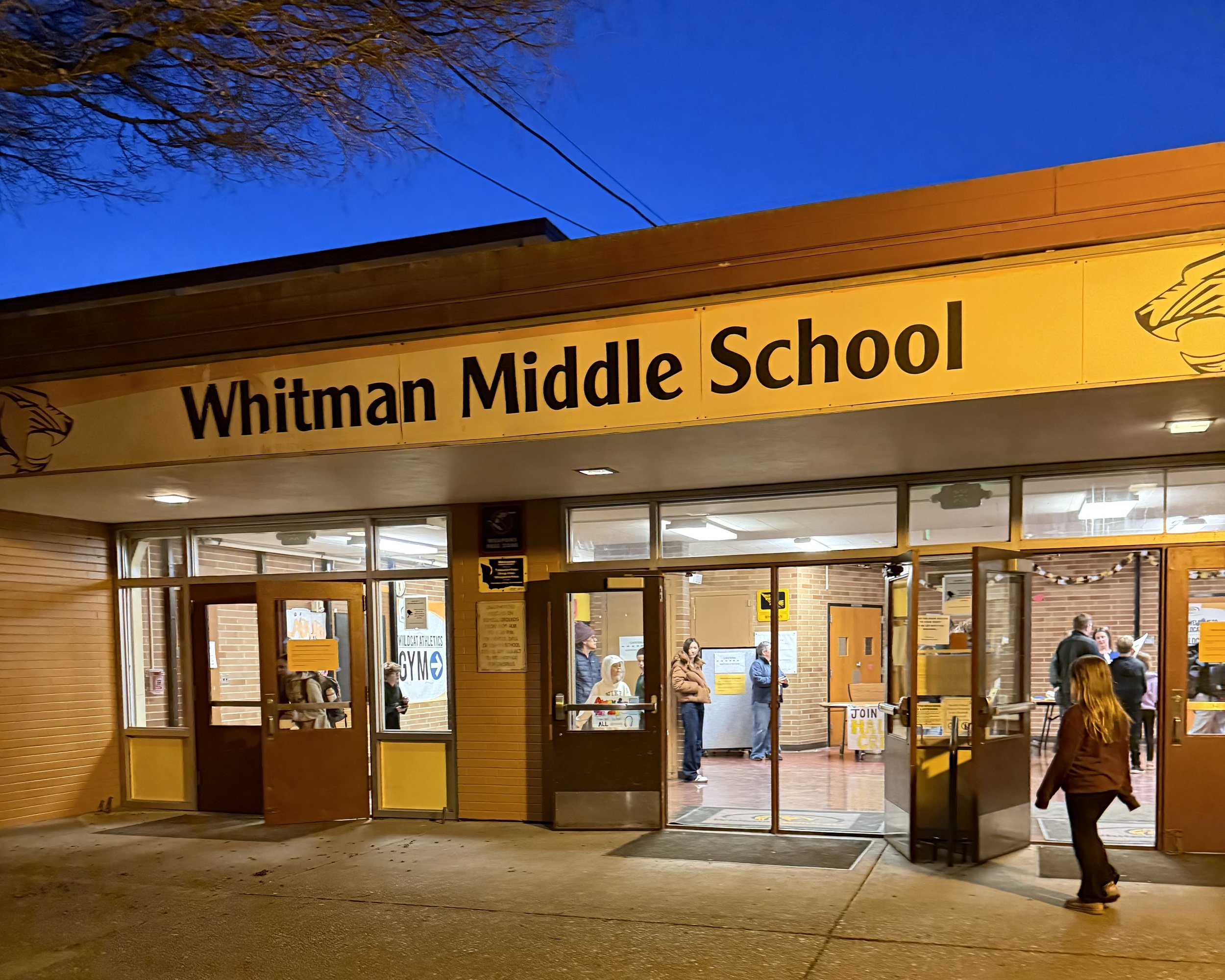
Whitman Middle School during an evening event.

Let’s work together
If you've made it this far, you probably care about doing this right. That's exactly the kind of buyer or seller I love working with.
I brought 20 years of business experience to real estate for one reason — I believed people deserved better guidance on one of the biggest financial decisions of their lives. The last four years have been about delivering on that, one client and one transaction at a time. My approach is built around education and empowerment, so you always know where you stand and what comes next, whether you're buying your first home or selling one you've loved for years.
If you're ready to approach your next move with this kind of clarity and intention, and you want someone who treats your transaction with genuine care and rigor, I'd love to be part of that process. You deserve to feel confident and informed at every step, not just at the end. Reach out and let's start the conversation.