Could Seattle be your next home?
Thinking about moving to Seattle? Here’s an overview of the city, compiled by me, to help you decide if moving to Seattle is the right choice for you.
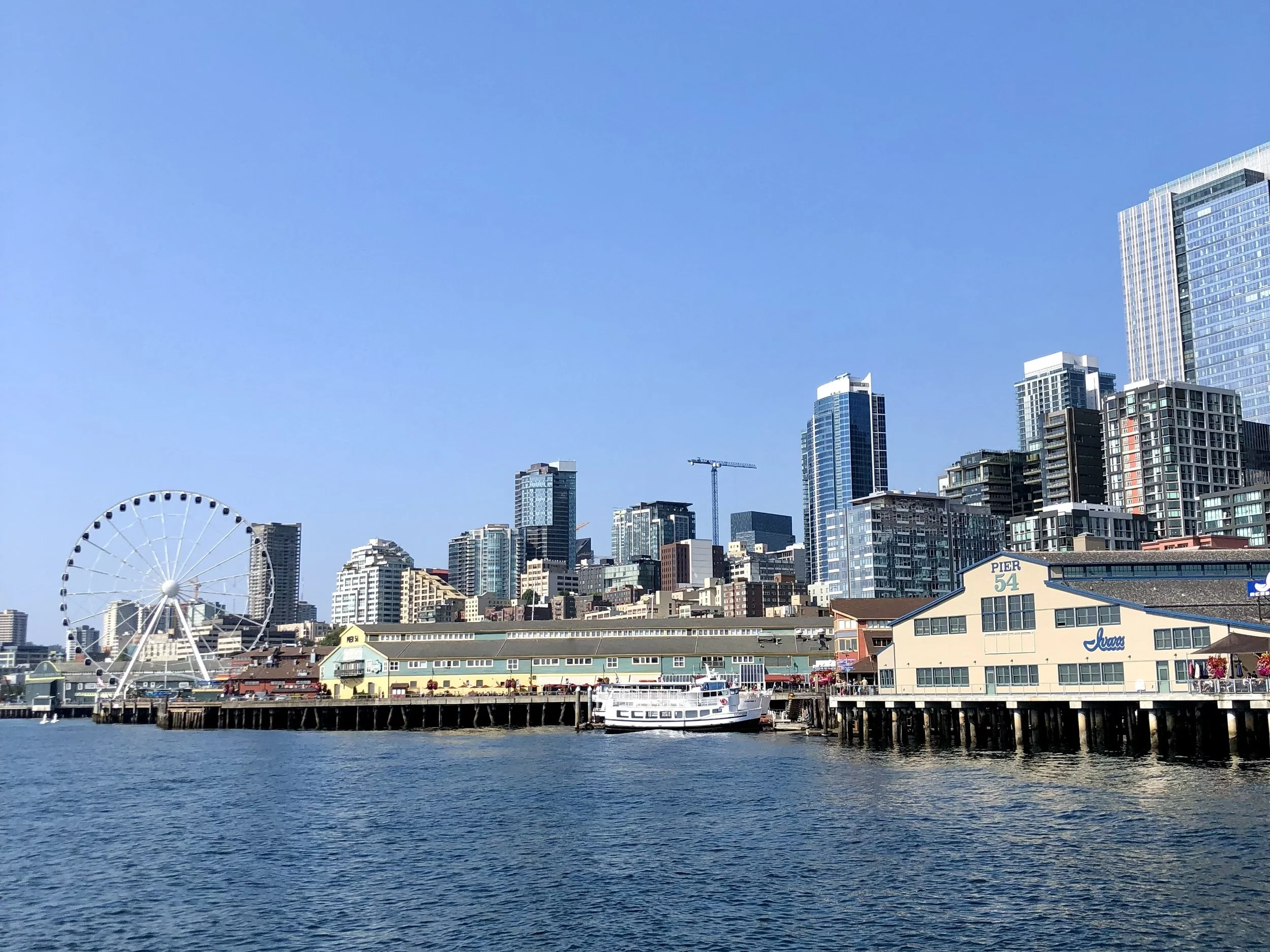
View of Seattle Skyline from the Bainbridge Island Ferry
There's a reason people who move to Seattle, or people like me who were born here, rarely leave. The city is special - in its geography and natural beauty, surrounded by three national parks, it’s history of innovation and diversified modern economy, and it’s
If you're considering a move here, you’re not alone. Thousands of people relocate to Seattle every year, drawn by job opportunities, the surrounding access to outdoors, and a culture that takes its coffee, craft beer, and music very seriously.
This is a guide I wrote to get you aquainted with Seattle. It covers a little bit of everything, Seattle's history, its neighborhoods, its food scene, healthcare, and newly expanding transit network. Grab a (locally roasted) coffee and have a read through. I will be updating this ongoing, so please email me if i’m missing anything. peri@windermere.com
A Brief History
To understand Seattle today, it’s best to start at the beginning - and to acknowledge that the land we live on today was taken from it’s original inhabitants, who have lived here for at least 4,000 years.
When European settlers arrived by boat in the 1700s, (looking for a water passage across the United States that doesn’t exist) the Duwamish people occupied at least 17 villages around what is now Elliott Bay, living in a rich landscape of forests, rivers, and tidal flats. The name for the modern city in Lushootseed, the language of the local Coast Salish peoples, loosely translates to "little crossing-over place."
European exploration of Puget Sound began with British Royal Navy Captain George Vancouver, who sailed through in 1792 and, in classic colonial fashion, named just about everything in sight. Captain James Cook's earlier reports of a thriving Pacific trade economy had motivated the admiralty to chart the area, and Vancouver obliged, naming landmarks like Mount Rainier after a political ally.
The first permanent non-Native American settlement came on a cold, rainy November 13, 1851, when a small party of settlers, now referred to as the Denny Party, rowed ashore on Alki Beach in West Seattle. They had traveled from Illinois over the Oregon Trail with plans to build a city. The beach proved too shallow for large ocean-going ships, so the following spring, the group relocated to a protected deep-water harbor on Elliott Bay, the site of today's Pioneer Square.
The new settlement was initially called "Duwamps" before a local merchant named Dr. David Maynard (“Doc Maynard”) convinced his neighbors to rename it after the Duwamish and Suquamish leader Chief Sealth, whose name was later anglicized to Seattle. The city's first major economic engine arrived in 1853, when Henry Yesler built Puget Sound's first steam-powered sawmill on the waterfront. Logs were skidded from the forested hills down what is now Yesler Way, giving rise to the term "Skid Road," which later became the universally understood "Skid Row."
Seattle was officially incorporated in 1869 with more than 2,000 residents. It grew slowly at first, frustrated by the Northern Pacific Railroad's 1874 decision to route its western terminus through Tacoma instead. The city recovered through local railroad development and coal deposits, but it was the arrival of the Great Northern Railroad in 1892 that truly opened Seattle to the world.
In 1889, disaster struck, when a massive fire burned most of the city to the ground. Rather than despair, Seattle rebuilt, this time with brick and stone, and the rebuilt city was stronger. The next boom came just a few years later, when the steamer Portland arrived in 1897 carrying a ton of gold from the Klondike. The news transformed Seattle almost overnight from a small port town into the primary commercial outfitter and shipping hub for tens of thousands of Klondike-bound prospectors during the Alaska Gold Rush. Seattle became the last stop before the goldfields of Alaska and the Yukon.
By 1910, Seattle's population had grown beyond a quarter million, and in 1909, the city hosted the Alaska-Yukon-Pacific Exposition, its first world's fair. A large part of the footprint from this Expo is preserved in today’s University of Washington campus, and it’s said that there are still large Sturgeon fish swimming around in Lake Washington, left over from the Exposition. In 1914, the 42-story Smith Tower opened as the tallest building west of Ohio. And in 1916, on the shores of Lake Union, a man named William E. Boeing took off in his first airplane.
World War I transformed Seattle's shipbuilding industry, and the city supplied an extraordinary 20 percent of the nation's wartime ship tonnage. The postwar period brought labor unrest, including the famous Seattle General Strike of 1919, the longest such strike in American history, which cemented Seattle's reputation for progressive politics and organized labor that persists to this day.
The Great Depression hit Seattle hard, and thousands of unemployed men lived in a "Hooverville" of shacks near the waterfront. But World War II brought Boeing roaring back, and the Puget Sound region became a critical naval and manufacturing base. Seattle's African American population grew dramatically during this era, as workers moved west seeking work, even though they faced significant discrimination in housing and employment until anti-discrimination legislation passed in 1968.
The 1962 World's Fair, Century 21, gave Seattle the Space Needle, put the city on the national cultural map, and signaled a new era. Pike Place Market, now one of the country's most beloved public markets, was preserved by a citizen initiative in 1971 after years of debate. The late 20th century brought Boeing's boom-and-bust cycles, the rise of Starbucks (founded in 1971), and then a new tech revolution. By the 1990s, Seattle had given the world Nirvana, Pearl Jam, Soundgarden, and Alice in Chains, turning the city into the birthplace of grunge. Then Tech and Biotech grew up.
Amazon's move of its headquarters to South Lake Union in the early 2000s initiated a historic construction and population boom unlike anything the city had seen. From 2010 to 2015, Seattle gained an average of 14,500 new residents every year. The city that once relied on timber and salmon, music and education, now runs on code and cloud computing, and it has changed the economy and the culture, but not the landscape.
What I Love About Seattle
The thing I tell people who are considering moving here is that Seattle's reputation for rain is wildly overstated. Yes, it rains many days, but it's mostly for short periods of rain, not the dramatic downpours of Atlanta or Miami. But it can be quite grey here in the winter, although the last few years of weather patters have been shifting, so it’s hard to say what the future holds.
Historically the payoff for the grey winter months is that Seattle in summer is one of the most beautiful places on earth. Long golden evenings where the sun doesn't set until 9 p.m., temperatures in the 70s, mountains visible in every direction, and the trees are still green until fall. Sometimes it gets too hot here in the summer and then people in Seattle start wishing for the rain again.
Beyond the weather, what I love about Seattle is the combination of access to nature and the modern urban city in such close proximity. Here you can kayak in a saltwater bay, ski a major mountain, hike an old-growth forest, and catch a live jazz set at a waterfront bar, all in the same day. The outdoors here aren't a destination; they're an extension of your backyard.
Seattle also has a vibrant local food culture. The restaurant scene is fiercely independent, critically acclaimed, and deeply rooted in the Pacific Northwest's exceptional ingredients like fresh Dungeness crab and geoduck, (pronounced goo-ey-duck) chanterelle mushrooms, Walla Walla onions, and apples from the Yakima Valley. The coffee culture here isn’t about Starbucks, it spawned a counter specialty coffee movement that has spread around the world. The craft beer brewing scene in Seattle is equally serious.
I love that Seattle takes its progressive values seriously, not just in rhetoric but in practice. The minimum wage, environmental commitments, LGBTQ+ rights, and support for the arts are woven into the city's civic fabric. I love that our local music scene isn’t just lore from decades past, but is carried on by our incredible local independent radio station KEXP and venues like Tractor Tavern, Neumos, Showbox and STG. We have several different Farmer’s market organizations that run over 15 different markets throughout the year.
And there are the visceral things like the sun sparkling on the water, the joy of spotting an eagle in the sky or a seal at the locks, and never getting tired of saying “the mountain is out” when spotting Tahoma standing proudly to the SW on a clear day.
No city is perfect, and Seattle has real challenges, including housing affordability, homelessness, traffic, public transportation and aging infrastructure, and the particular social reserve known as the "Seattle Freeze”, a tendency for locals to be friendly but slow to form deep friendships. But the people who love this city love it with a fierce loyalty, and for good reason.
Climate and Weather Facts
Seattle's climate is officially classified as a warm-summer Mediterranean (or oceanic) climate - cool, wet winters and mild, relatively dry summers. The Pacific Ocean and Puget Sound act as enormous temperature moderators, keeping Seattle from experiencing the extreme weather conditions more common in other major American cities.
Here are some stats to give you more context:
Average annual precipitation is approximately 39 to 40 inches, which is lower than cities like New York, Miami, and Houston. What sets Seattle apart isn't the volume of rain but the frequency, precipitation falls on an average of 150 days per year, making it one of the cloudiest cities in the United States. Seattle is cloudy about 201 days out of the year and partly cloudy for 93 days. The remaining 71 or so days are considered clear, but some of those partly cloudy days end up feeling sunny too.
Average temperatures range from a low around 36°F in December to an average high of 76°F in July and August. The coldest month is usually December, while the warmest is typically August. Temperature extremes are unusual - the all-time record high is 108°F (set during the extraordinary June 2021 heat dome), and temperatures below 15°F are very rare. The average annual snowfall is just 6.3 inches, and heavy snow events are uncommon, though when they do happen, the city's hilly terrain combined with unprepared drivers make them memorable. https://youtu.be/Lgo6gG5Nn98
The wet season runs from October through April, with November and December being the wettest months. November receives an average of 6.54 inches of precipitation, more than any other month. Then, something remarkable happens: starting in late June, the rain essentially stops. July averages just 0.67 inches of precipitation, making Seattle one of the driest large cities in the country during summer. This is the Seattle summer that locals live for.
Spring is when the cherry blossoms bloom at the University of Washington, a jaw-dropping annual spectacle that draws so many people it’s often too hard to enjoy. We locals call this “false spring” because even though days are getting longer and temperatures begin climbing into the comfortable 50s and 60s, we still have to live through a cooler and wet “January” or “June Gloom” before summer arrives for real in July. Fall brings crisp, amber-lit days and sometimes what feels like an extension of summer. Other years the rain returns faster than we would like. For those accustomed to dramatic seasons, it's an adjustment. But most people who live here eventually come to appreciate the cozy rhythms of a Seattle autumn and the return of sweater weather.
One practical note - because of Seattle's historically mild summers, air conditioning was not standard in most older homes. This has been changing rapidly since the 2021 heat event, and more than 53 percent of households in the metro area now have air conditioning. If you're house-hunting, it's worth asking, because adding central AC can be costly, though putting in a few window units is an easy alternative that still works well for the few weeks a year that we need it.
Lifestyle and Recreational Opportunities
If you value being outdoors, Seattle will transform your life. The city sits at the intersection of saltwater, mountains, forests, and lakes, and residents take full advantage. The question isn't whether you'll find outdoor activities here, it's which ones you'll have time for, and how much room you have to store the equipment.
Seattle has more houseboats than any other city in the country, a reminder of how deeply the water is woven into daily life. Washington State Ferries operate routes across Puget Sound, and taking a ferry to Bainbridge Island or the Olympic Peninsula on a sunny day is one of the quintessential Seattle experiences, no car required.
On the water, you can kayak on Lake Union, Lake Washington, or Puget Sound. Many get their excercise rowing a shell across the lake in the morning, inspired by the Boys in the Boat - the UW Mens Crew team that won gold at the Olympics in Berlin in 1936. In the spring, on opening day of boating season, crowds gather to watch the crew races through the Montake cut at the annual Windermere cup. And almost everyone has taken up paddle boarding or SUP-ing (though I prefer to sit when I do it), because it’s so easy to access the water with an inflatable paddle board you can throw in your trunk or on top of your car.
The hiking is exceptional, and easy to access. Within an hour or two of downtown, you can be in old-growth forests in the Mt. Baker Snoqualmie Forest,, the base of a glacier on Mount Rainier National Park, or exploring the volcanic landscape of Mount St. Helens. The trail network in the Cascade Mountain foothills offers routes from easy lakeside walks to serious alpine routes with exposed ridge lines and dramatic summit views. The Pacific Crest Trail, which runs all the way from Mexico to Canada, passes through Snoqualmie Pass, just 45 miles east of Seattle.
Skiing and snowboarding are part of Seattle's winter rhythm. The closest ski areas is Snoqualmie Pass - with four different mountains including Alpental, and the most night skiing in North America. A bit further drive but bigger mountain skiing are easy to access at Crystal Mountain, and Stevens Pass both within 100 miles of the city, and on a powder day in February, you'll see the ski racks filling up in the parking lots of local coffee shops before sunrise. Crystal Mountain, in particular, is a world-class resort with terrain for every ability level and unbeatable views of Mount Rainier.
Cycling is huge in Seattle. The Burke-Gilman Trail runs from Ballard through the University District and along the shores of Lake Washington into Redmond, connecting neighborhoods and parks across 27 miles of largely car-free riding. The city has invested heavily in protected bike lanes, though the hilly terrain adds some challenge.
Mountain Biking outside of the city is a whole lifestyle - with trails at Duthie, Tiger Mountain, and lift accessed terrain at Snoqualmie,
Rock climbing is another sport growing in popularity here. It’s a great year-round sport -great full body workout, indoor gym’s in every neighborhood, and in the summer, you can access climbing routes off I-90 at exit 38.
Fishing and foraging are taken seriously here. Salmon runs on the Cedar and Snoqualmie rivers bring anglers from across the region. Mushroom foraging in the Cascade foothills for chanterelles, morels, porcinis is practically a civic religion among a certain subset of Seattleites, just make sure you know what you’re doing before you eat the mushrooms you gather. If not, better to just buy from the experts like https://www.foragedandfoundedibles.com. Clamming on the beaches of the Olympic Peninsula and crabbing in Hood Canal are also beloved weekend traditions, but make sure you have your license first.
The city itself has over 5,540 acres of park lands. Discovery Park on the Magnolia Peninsula is a 534-acre refuge of sea bluffs, meadows, and old-growth forest within city limits. Volunteer Park in Capitol Hill has a Victorian-era conservatory and views of Mount Rainier. Gas Works Park sits on the north shore of Lake Union atop the ruins of a converted coal gasification plant, one of the most visually distinctive park settings in the country. Visit the Pia the Peacekeeping troll or swim in a Saltwater Pool in summer in West Seattle’s Lincoln Park, Carkeek Park in NW Seattle still has an active Salmon run in the fall, and Golden Gardens Beach in Ballard is the place to be on a summer evening, with fire pits and views across the Sound to the Olympic Mountains.
Sports are a serious passion in Seattle. The Seattle Seahawks (NFL), Sounders FC (MLS), Seattle Kraken (NHL), and the Seattle Storm (WNBA) all have devoted fan bases. The culture of supporting local sports, especially at Climate Pledge Arena and Lumen Field is electric - the stadium was designed to be the loudest in the NFL. The Mariners play at T-Mobile Park, one of the most beautiful ballparks in baseball, with a retractable roof so the team can play, rain or shine. And as i’m writing this blog, the NBA and the Kraken owners group are working together on a plan to bring a professional Men’s basketball team back to Seattle - to right a wrong from so many years ago, when Howard Shultz bought and took our beloved Sonics away from us - something Seattle has never gotten over.
Annual Festivals and Events
Seattle's event calendar is one of the best in the country, packed across all twelve months but exploding in summer.
Seafair is perhaps the crown jewel of Seattle's summer festival season, if not the most controversial, running from mid-June through early August with more than 40 events spread over 10 weeks. The centerpiece is Seafair Weekend in late July and early August at Genesee Park on the shores of Lake Washington, combining hydroplane racing, a Blue Angels air show, and live music. The Alaska Airlines Seafair Torchlight Parade, featuring illuminated floats, dragon dancers, and marching bands, winds through downtown on a July evening and draws big crowds. The Seafair 4th of July celebration at Gas Works Park and Lake Union is one of the best Independence Day fireworks shows in the country. And there are numerous “kiddie” Safair parades throughout Seattle neighborhoods, featuring schools, marching bands, drill teams, and the iconic Safair clowns and pirates.
Bumbershoot, held over Labor Day weekend at Seattle Center, Bumbershoot is one of the longest-running arts and music festivals in the country, blending major music acts with performance art, dance, comedy, and film across the grounds beneath the Space Needle.
The Bite of Seattle brings more than 300 local restaurants, food vendors, beer and wine gardens, and 65+ musical performers to Seattle Center for a free three-day weekend in late July. It has been a beloved Seattle institution since 1982 and draws over 400,000 visitors annually.
Northwest Folklife Festival at Seattle Center is a four-day celebration of roots music, folk traditions, and cultural performance over Memorial Day weekend — and it's free.
Seattle Pride is a major annual celebration in late June, with one of the liveliest and most welcoming Pride events in the Pacific Northwest.
The Fremont Summer Solstice Parade and Festival is one of Seattle's most irreverent and beloved traditions, a grassroots celebration of the summer solstice. The parade features floats, drummers, and the famous painted nude cyclists that have been turning heads since the 1990s.
Seattle Restaurant Week This happens twice annually, in April and October. Hundreds of the city's best restaurants offer prix fixe menus at reduced prices, making it a great opportunity for new residents to explore the dining scene.
The Bon Odori Festival, held at the Seattle Betsuin Buddhist Temple in July, is a traditional Japanese summer festival featuring taiko drumming, folk dancing, and Japanese food, reflecting Seattle's deep Japanese-American cultural heritage.
Other notable events include the Seafair Indian Days Pow wow, the Chinatown Seafair Parade, the Seattle Art Fair, Umoja Fest NW celebrating African American and African Diaspora culture, and dozens of neighborhood street fairs and farmers markets that dot the city's calendar from spring through fall.
Nearby Attractions: In the City and Beyond
In the City
Pike Place Market is the oldest continuously operating farmers market in the United States, established in 1907 on a bluff above Elliott Bay. It's a working market where local farmers, fishmongers, florists, and craftspeople set up every day — not a tourist replica. The fish-throwing is real. The original Starbucks is there. Go in the early morning when it's actually a food market, not a photo opportunity. (Ghost tour - The Pike Place Market Ghost Tour leads visitors through the shadowy after-hours corridors of America's oldest farmers market, uncovering the eerie legends and tragic histories tucked behind its famous storefronts, from the ghost of Princess Angeline, daughter of Chief Sealth, to the spirits said to haunt the lower levels of the market. It's a surprisingly rich evening experience that reveals a completely different side of a landmark most visitors only ever see in daylight.)
The Space Needle is the city's most recognizable icon, built for the 1962 World's Fair and still offering 360-degree views from 520 feet up. The observation deck was renovated in 2018 with glass floors and tilting glass walls that are either thrilling or terrifying depending on your constitution.
The Museum of Pop Culture (MoPOP) at Seattle Center, designed by Frank Gehry, is a wildly original building dedicated to the history of popular music and pop culture, with permanent exhibits on guitar, science fiction, and Seattle's homegrown music scene. It's genuinely one of the best music museums in the world.
Chihuly Garden and Glass, adjacent to the Space Needle, showcases the astonishing glass sculptures of local artist Dale Chihuly in a purpose-built greenhouse and sculpture garden. It's breathtaking even for people who don't think they like art.
The Seattle Art Museum (SAM) downtown, the Seattle Asian Art Museum in Volunteer Park, and the Burke Museum of Natural History at the University of Washington form an excellent trio of world-class cultural institutions.
The Olympic Sculpture Park is a free, 9-acre outdoor sculpture park operated by SAM along the Elliott Bay waterfront, with massive installations and stunning water views.
The Seattle Aquarium sits right on the edge of Elliott Bay at Pier 59, making it one of the most atmospherically located aquariums in the country — you're essentially watching Pacific Northwest marine life while floating above the very waters they call home. A major expansion, the Ocean Pavilion, opened in 2023 and significantly enlarged the facility, adding immersive exhibits on the broader Pacific Ocean ecosystem and cementing the aquarium's place as one of the premier marine science and conservation institutions on the West Coast.
Argosy Cruises offers a fleet of narrated harbor tours and dinner cruises departing from the downtown waterfront, giving visitors and locals alike a spectacular water-level perspective on Elliott Bay, the Seattle skyline, and the surrounding mountains. Their one-hour Harbor Tour is one of the best introductions to the city you can get, and the longer Lake Washington and Ship Canal cruise, which passes through the Ballard Locks, is a genuine highlight for anyone wanting to understand Seattle's remarkable relationship with its waterways.
Pioneer Square, Seattle's oldest neighborhood, is home to historic architecture, art galleries, underground tour sites, and the Klondike Gold Rush National Historical Park. It's a neighborhood in transition but deeply rich in history.
Woodland Park Zoo, set across 92 acres in the heart of north Seattle, is widely credited as a pioneer in zoo design with its naturalistic habitat enclosures, introduced in the 1970s and widely imitated by zoos around the world, replaced traditional cage-based exhibits with immersive environments that prioritize animal welfare and visitor experience in equal measure. Today it's home to over 1,000 animals and remains one of the Pacific Northwest's most beloved family destinations, with strong conservation and breeding programs for endangered species.
Ballard Locks (officially the Hiram M. Chittenden Locks) connect the saltwater of Puget Sound with the freshwater of Lake Washington. Watching boats navigate the locks, and watching the salmon ladder in season, is a quintessentially Seattle experience.
National nordic Museum - The National Nordic Museum in Ballard is the largest museum dedicated to Nordic culture and history in North America, a fitting home given Ballard's deep Scandinavian roots as a former fishing and shipbuilding community. The striking modern building traces the story of Nordic immigration to America alongside rotating exhibits on design, art, food, and the cultural traditions of Denmark, Finland, Iceland, Norway, and Sweden.
Museum of History and Industry (MOHAI) - The Museum of History and Industry (MOHAI), housed in a beautifully converted 1930s naval armory on the south shore of Lake Union, traces the full arc of Seattle's story from its Indigenous roots and pioneer beginnings through the Boeing era, the grunge explosion, and the tech boom. It's one of the best places in the city to get your bearings on how Seattle became Seattle, and the rooftop deck alone, with its panoramic views of Lake Union and the downtown skyline, is worth the visit.
Gold Rush Museum (Pioneer Square) - The Klondike Gold Rush National Historical Park in Pioneer Square tells the story of Seattle's pivotal role as the launching pad for the 1897–1898 stampede to the Yukon, when the city transformed almost overnight into a booming outfitter and supply hub for tens of thousands of fortune-seekers. Admission is free, and the exhibits, ranging from gold nuggets and period photographs to ranger-led programs, that bring one of the most dramatic chapters in Pacific Northwest history vividly to life.
Underground Tour - The Seattle Underground Tour takes visitors beneath the streets of Pioneer Square to explore the original ground-level storefronts and sidewalks that were buried when the city rebuilt on top of itself after the Great Fire of 1889. It's a 90-minute walk through Seattle's buried history, equal parts architecture, folklore, and irreverent storytelling.
A note about accessibility - Seattle makes it remarkably easy to access its cultural institutions without breaking the bank, and two of the best-kept secrets for new residents are First Thursday and the Seattle Public Library's Museum Pass program.
First Thursday is a longstanding Seattle tradition in which many of the city's major museums, including SAM, MOHAI, the Seattle Asian Art Museum, and others, offer free or reduced admission on the first Thursday evening of every month. It's a great way to explore the city's cultural landscape when you're new in town, and the evening hours give it a social, unhurried atmosphere that's quite different from a typical weekend museum visit.
Even better, if you have a Seattle Public Library card, which is free to any King County resident, you can borrow passes to more than a dozen local cultural institutions through the Library's Museum Pass program. Participating venues have included MOHAI, the Seattle Art Museum, Woodland Park Zoo, the Pacific Science Center, Chihuly Garden and Glass, and more, with passes typically offering free or significantly discounted admission for two to four people. It's an extraordinary community benefit that a surprising number of locals don't know about, and for anyone new to the city it's one of the first things worth setting up. You can reserve passes online through the SPL website, and they go quickly, so it pays to plan a week or two ahead.
Outside the City
Snoqualmie Falls, just 30 minutes east of Seattle, plunges 268 feet, taller than Niagara Falls, and is one of Washington's most beloved natural landmarks. The surrounding town of Snoqualmie achieved cult status as the filming location for Twin Peaks. The first hydro dam in the west is here.
Snoqualmie Pass - Just 45 miles outside of downtown Seattle, Snoqualmie Pass has year-round recreation. In the winter there’s Alpine skiing, Nordic skiing, inner tubing, snow shoeing and more. And in the summer, hiking, alpine lake swimming, river chasing, natural watersliding (Denny Creek), walking in old wagon wheel grooves at Franklin falls, camping, and lift accessed Mountain biking. When you’re done, grab a bite at Laconia Market, the cutest and best local restaurant and coffee shop, located at the site of the old train station.
Yakima River Valley, often called the Palm Springs of Washington for its sunny high-desert climate, is a beloved escape just two hours east of Seattle offering world-class fly fishing and white-water rafting on the Yakima River, a booming craft brewery scene, and some of the best roadside tamales in the state — all set against a backdrop of dramatic canyon scenery and the agricultural bounty that makes the valley one of the most productive farming regions in the country.
Whidbey Island, and Deception Pass - Whidbey Island, a 45-minute ferry ride from Mukilteo north of Seattle, is one of the most rewarding day trips or weekend escapes in the region, offering charming small towns like Langley and Coupeville, working farms, excellent seafood, and a pace of life that feels genuinely removed from the city. At the island's northern tip, Deception Pass State Park is an absolute must-see -- the dramatic bridge spanning the churning tidal narrows between Whidbey and Fidalgo Island is one of the most photographed spots in Washington, and the surrounding park offers stunning coastal trails, old-growth forest, and sweeping views of the San Juan Islands.
The San Juan Islands, accessible by Washington State Ferry from Anacortes, are a cluster of 170+ islands in the northern Puget Sound offering whale watching (orca pods are a regular summer presence), kayaking, cycling, and some of the most beautiful scenery in the Pacific Northwest.
Leavenworth, a small town 2.5 hours east of Seattle, has built a thriving identity around its Bavarian-village aesthetic and hosts multiple festivals throughout the year, with spectacular mountain scenery.
Mount Rainier National Park, about 90 minutes southeast, is one of the most spectacular national parks in the country. At 14,411 feet, Rainier is the highest peak in the Cascade Range and the snowiest place in the United States. Paradise, the park's most famous area, is accessible year-round and offers wildflower meadows in summer and deep snowfields in winter.
Olympic National Park, accessible via ferry across Puget Sound, is a UNESCO World Heritage Site protecting three distinct ecosystems: glacier-capped mountains, temperate rainforest (the Hoh Rain Forest receives over 140 inches of rainfall per year), and over 70 miles of wild Pacific coastline. It's one of the most ecologically diverse places in North America.
North Cascades National Park, about 2.5 hours northeast, is sometimes called the American Alps for its jagged peaks and more than 300 glaciers. It's one of the least visited national parks in the country, which makes it all the better for those who make the trip.
World-Class Healthcare
One of Seattle's most significant and underrated advantages is the quality of its healthcare system. The city is home to some of the finest medical institutions in the United States, and residents have access to a depth of specialist care that rivals any city in the country.
UW Medical Center is consistently ranked the number one hospital in Washington State by U.S. News & World Report, and is nationally ranked in multiple specialties including cancer, rehabilitation, and diabetes and endocrinology. The University of Washington School of Medicine is one of the most highly regarded medical schools in the nation, and the research programs affiliated with UW Medicine are among the largest and most comprehensive in the world.
Harborview Medical Center, operated by UW Medicine, is the only Level I trauma center in the Pacific Northwest, serving critical patients from Washington, Alaska, Idaho, and Montana. Its "Pill Hill" location on First Hill is also home to the flagship hospital of Swedish Health Services and Virginia Mason Hospital, creating one of the most concentrated medical corridors in the country.
Fred Hutchinson Cancer Center known universally as "Fred Hutch", is the only National Cancer Institute-designated Comprehensive Cancer Center in Washington State. Its global reputation was built on pioneering discoveries in bone marrow transplantation, HIV/AIDS prevention, immunotherapy, and COVID-19 vaccine research. Fred Hutch has been an NCI-designated cancer center since 1973 and operates eight clinical care sites across the Puget Sound region.
Seattle Children's Hospital is the pediatric referral center for Washington, Alaska, Idaho, Montana, and Wyoming, and is consistently recognized as one of the best children's hospitals in the country.
Providence Swedish is the largest not-for-profit healthcare provider in the Seattle area, operating five hospital campuses and over 100 clinics across the region.
For residents, what this means in practice is that whether you need a primary care physician, a specialist, complex surgery, or cutting-edge cancer treatment, you are living in one of the best-served metropolitan areas in the country for healthcare access.
The Food Scene
Seattle's food scene has grown into something genuinely world-class over the past two decades, and it continues to evolve at a remarkable pace. The foundation is the exceptional raw ingredient base — Pacific seafood, local farms, and a foraging culture that puts ingredients like wild mushrooms, nettles, and salmon front and center — but the city's diverse population has layered on influences from Japan, Vietnam, the Philippines, Ethiopia, Mexico, and beyond.
A few places you simply need to experience:
Westward (Lake Union) or The Walrus and the Carpenter in Ballard is an iconic oyster bar that captures Seattle's salty, unpretentious soul better than almost anywhere else. The space is small and buzzy, the oysters sourced from local Puget Sound waters, and the small plates rotate seasonally. Arrive early, the line forms fast.
La Medusa in Columbia City is a long-running Seattle gem serving rustic Sicilian-inspired cuisine in a warm, convivial dining room that perfectly captures the independent neighborhood spirit that makes Columbia City one of the city's most exciting food corridors. The handmade pastas, wood-roasted dishes, and thoughtfully chosen Italian wine list have made it a beloved institution for locals who know that some of Seattle's best dining happens well outside downtown.
Delancey - in Ballard is one of Seattle's most celebrated neighborhood restaurants, serving wood-fired Neapolitan-style pizzas with an obsessive attention to ingredient quality that has earned it a devoted local following since it opened in 2009. The space is intimate and warmly lit, the seasonal toppings sourced from local farms, and the wait for a table is almost always worth it, especially while enjoying a cocktail at their sister bar Nextdoor, Essex.
Corson Building in Georgetown is one of Seattle's most unique dining experiences, a century-old industrial building transformed into an intimate supper club where chef Emily Crawford continues a tradition of hyper-local, farm-to-table Pacific Northwest cooking that has made this place a quiet legend among serious Seattle diners. Dinners here are communal, unhurried affairs that feel less like a restaurant visit and more like being invited to a very talented friend's table -- call ahead, as the format and hours can vary.
Musang in Beacon Hill is chef Melissa Miranda's love letter to Filipino food and the Filipino-American community of the Pacific Northwest. The dishes are rooted in family recipes — kare kare, pancit, squid adobo — executed with the finesse of a serious kitchen. It's warm, community-minded, and genuinely wonderful.
Communion in the Central District is chef Kristi Brown's celebration of soul food and Black culinary traditions, with dishes like black-eyed pea hummus and smoked oxtails that have earned national recognition.
Homer in Beacon Hill specializes in Guamanian comfort food — pickle-packed smashburgers, bulgogi rice, and flaky beef empanadas — from chef Elmer Dulla, drawing on his Filipino heritage, his Guamanian childhood, and his years in the Seattle service industry.
Beyond these standouts, Seattle's food landscape rewards exploration. The International District is a destination for authentic Japanese, Vietnamese, Filipino, and Chinese cuisine. Ballard Avenue is dense with excellent independent restaurants. Columbia City has become one of the city's most exciting culinary corridors. And the coffee scene, from Kuma Coffee to Lighthouse Roasters, remains a point of genuine civic pride.
Industries and Employers in the Region
Seattle's economy is one of the most dynamic and innovative in the United States. The Greater Seattle region's Gross Regional Product is approximately $560 billion, representing about 71 percent of Washington State's total economy.
The top industries include information technology, professional and scientific services, manufacturing, and government, and together account for roughly half of the regional economy. The region's labor force exceeds 2.27 million people, with an average weekly wage significantly above the national average.
Amazon is the largest private employer in Washington State, with its global headquarters and tens of thousands of employees concentrated in South Lake Union, a neighborhood it essentially remade - for better or worse. The company's continued expansion into AI, cloud services (AWS), and logistics keeps it at the center of the city's economic story.
Microsoft, headquartered in Redmond on the Eastside, employs over 58,400 people in the region. It remains one of the world's most valuable companies, with major investments in AI and cloud computing continuing to drive growth and hiring.
Boeing, the world's largest aerospace manufacturer, has been central to Seattle's economic identity since World War II, and its manufacturing operations remain concentrated in the Puget Sound region.
Technology more broadly drives the region's growth story. Google, Meta, Apple, and dozens of other major tech companies have large offices throughout Seattle and Bellevue. The city ranks second among U.S. cities for AI job listings per capita, and the tech ecosystem supports a thriving startup and venture capital community.
Healthcare and Biotech employ more than 179,000 people in the King County area and represent one of the fastest-growing sectors. The combination of UW Medicine, Fred Hutch, Seattle Children's, and a growing biotech corridor in South Lake Union makes Seattle a serious player in medical research and life sciences.
The University of Washington employs nearly 52,000 people, receives more federal research funding than any other public university in the country, and has helped launch over 250 companies since 1990.
Other notable employers include T-Mobile (headquartered in Bellevue), Expedia Group, Alaska Airlines, Costco, Nordstrom, REI, and PACCAR. One important financial note for newcomers - Washington State has not had a state income tax, which provides meaningful benefit for high earners compared to states like California, New York, or Oregon. However, one passed the state legislature in 2026 - though will certainly be brought to the state supreme court. It would tax household income over $1 million dollars around 9% annually.
Neighborhoods and Surrounding Cities
One of the first things you discover after moving to Seattle is that the city is a collection of distinct neighborhoods, each with its own personality, housing stock, and vibe. Finding the right one for your lifestyle matters enormously.
Inside Seattle
Capitol Hill is the city's most densely populated neighborhood, beloved by artists, students, young professionals, and the LGBTQ+ community. The Pike/Pine corridor, anchored by rainbow crosswalks and lined with indie bars, coffee shops, and music venues, like Neumos, and Life on Mars, is the heart of Seattle nightlife. Volunteer Park, the Seattle Asian Art Museum, and a mix of Victorian mansions and sleek new condos make it architecturally interesting. It's walkable, transit-rich, and endlessly energetic.
Ballard, once a working-class Scandinavian fishing village, has evolved into one of Seattle's most sought-after neighborhoods. Ballard Avenue is lined with excellent restaurants, craft breweries, boutique shops, and a beloved Saturday Farmers Market. The National Nordic Museum, the Ballard Locks, and Golden Gardens Beach anchor the neighborhood's identity. It skews slightly older than Capitol Hill, with more of a town-within-a-city feel.
Queen Anne sits on a prominent hill just north of downtown and offers panoramic views of the skyline, Elliott Bay, and the Olympics. Upper Queen Anne is quieter and residential, dotted with historic homes. “Uptown” is adjacent to Seattle Center, the Space Needle, and Climate Pledge Arena, making it a center for arts and events, while Lower Queen Anne sits on the north side of the hill, close to the Fremont canal and Seattle Pacific University, or “SPU”.
Fremont calls itself "The Center of the Universe" with a wink, and earns the title through sheer eccentricity. The Fremont Troll, a 16-foot statue of Vadimyr Ilyich Lenin, the Fremont Sunday Market, and the Summer Solstice Parade give it a culture unlike anywhere else in Seattle. Google and Adobe have offices here, and the neighborhood blends tech-worker money with persistent artistic weirdness.
Wallingford sits just east of Fremont along the north shore of Lake Union, and is cherished for its quiet residential streets, craftsman bungalows, and remarkable concentration of excellent Japanese restaurants along 45th Street.
Green Lake is one of Seattle's most reliably beloved neighborhoods. Wrapping around the lake that the city dredged and reshaped in the early 1900s from a shallow boggy pothole into the recreational centerpiece it is today, is a 2.8 trail, a designation for walkers, joggers from around the city. The surrounding residential street, lined with craftsman bungalows and independent coffee shops, are a tangled mess, trying to get back inline with the rest of the square grid of the city. The lake itself, with its swimming beaches, paddle boat rentals, and grassy shoreline, has a genuine community gathering quality that is hard to manufacture and easy to love.
West Seattle sits across the Duwamish River west of downtown and feels like a small coastal town attached to a major city. When the West Seattle Bridge was shut down for repairs (thankfully during Covid) West Seattle truly felt like an inland destination. Alki Beach Seattle's most iconic stretch of sand, offers views of downtown, Elliott Bay, and the Olympics. The West Seattle Junction is a thriving commercial strip, and the neighborhood has a strong, independent community identity.
Beacon Hill is a diverse, community-minded neighborhood south of downtown, beloved for its central light rail access and quiet residential streets. The Central District, adjacent to Beacon Hill, has deep roots in Seattle's African American community and is home to some of the city's most celebrated restaurants.
South Lake Union is the neighborhood Amazon built — a rapidly developed district of tech offices, luxury apartments, and polished restaurants centered on the south shore of Lake Union. It's convenient and increasingly livable, if lacking some of the organic character of older neighborhoods.
The Eastside and Surrounding Cities
Bellevue is the second-largest city in Washington, just across Lake Washington via the I-90 floating bridge, and has grown from a bedroom suburb into a major tech city in its own right. Downtown Bellevue is dense with high-rises, world-class restaurants, and a buzzing retail scene. The Bellevue School District is consistently ranked among the best in the state, making it enormously popular with families.
Redmond is Microsoft's hometown, and the growing downtown core along the Sammamish River has become a lively destination in its own right. Light rail now connects Redmond to Bellevue and Seattle, dramatically improving its transit access.
Kirkland sits on the eastern shores of Lake Washington with a charming waterfront, excellent restaurants, and a strong sense of community. It's particularly popular with families and outdoor enthusiasts, with easy access to kayaking, cycling, and the Cascade foothills.
Issaquah, nestled at the base of the Cascades about 15 miles east of Seattle, offers a quieter, more suburban lifestyle with immediate access to hiking and skiing. Costco is headquartered here.
Shoreline, Kenmore, and Bothell to the north offer affordable and family-friendly suburban options with good transit access to Seattle. Lynnwood is connected to downtown Seattle by the 1 Line light rail extension, making it an increasingly attractive commuter option.
Renton, Kent, and Federal Way to the south offer more affordable suburban living with proximity to SeaTac Airport and major highways. Federal Way gained direct light rail connection to Seattle in December 2025, further integrating the South Sound into the regional transit network.
Getting Around: Regional Transportation
Seattle's transportation landscape has been fundamentally reshaped over the past decade by a massive investment in light rail, and it's only getting better.
Link Light Rail, managed by Sound Transit, is the backbone of the regional transit network. The 1 Line currently runs 55 miles from Lynnwood in Snohomish County through downtown Seattle, to SeaTac Airport, and a new extension south to Federal Way - the latter having opened in December 2025. Getting from downtown Seattle to Sea-Tac Airport takes about 38 minutes and costs under $4. The 2 Line, opening in spring 2026, will connect the Eastside cities of Bellevue and Redmond directly to Seattle via a floating bridge crossing of Lake Washington, a transformative improvement for Eastside commuters.
Looking further ahead, Sound Transit's voter-approved ST3 expansion plan will extend the network to 116 miles and 83 stations by 2044, including extensions to Ballard and West Seattle within Seattle, plus new branches to Kirkland, Issaquah, Everett, and Tacoma. (Note- as of March 2026, this expansion plan is under review and subject to change)
King County Metro operates an extensive bus network throughout Seattle and King County, with frequent service on major corridors. The ORCA card is the universal transit pass accepted on all Sound Transit, King County Metro, Pierce Transit, and Community Transit services, with a single tap-to-pay system for the entire regional network. Starting in 2026, you can now tap to pay with your credit card as well, but only for one rider, so it only works in a pinch if you’re traveling alone, and you still need to plan ahead (or use the app) if you’re with your family or in a group)
Washington State Ferries operate the largest ferry system in the United States, with routes connecting Seattle to Bainbridge Island, Bremerton, Kingston, and several other Puget Sound destinations. The Colman Dock terminal in downtown Seattle is the hub of the system, and for many commuters, the daily ferry ride is one of the highlights of their day. Washington State Ferries is also in the middle of an ambitious electrification program. New hybrid-electric ferries are under construction and expected to reduce emissions by roughly 90 percent compared to the current diesel fleet, with the first arriving in 2027
Sounder Commuter Rail connects downtown Seattle to Everett to the north and to Tacoma, Sumner, Puyallup, and Auburn to the south, providing fast service along the I-5 corridor and relief for those commuting from Snohomish and Pierce counties.
Driving is still the primary mode for many Seattle residents, particularly for suburban and cross-region trips. Seattle's geography, hills, water, and bridges, creates significant bottlenecks, and I-5, I-90, and SR-520 all suffer from serious peak-hour congestion. The SR-520 floating bridge and the I-90 bridge both charge tolls. Parking downtown is expensive. If you can work near transit, do it.
Biking is increasingly viable thanks to the Burke-Gilman Trail, a growing network of protected bike lanes, and bike share options through Lime and Lyft. Seattle has made a genuine civic commitment to cycling infrastructure over the past decade, investing in protected lanes that physically separate cyclists from traffic on major corridors like Second and Fourth Avenue downtown, Broadway on Capitol Hill, and portions of Eastlake and Dexter Avenue. Beyond the main corridors, the city has also designated Healthy Streets routes through residential neighborhoods on low-traffic streets like 6th Avenue NW in Ballard that function as dedicated north-south and east-west cycling spines, connecting neighborhoods in a way that keeps riders off arterials if they choose to.. The goal has been to create connected, safe routes that make bike commuting a realistic daily option rather than a political statement. Seattle's hills remain the main physical challenge, but the rapid growth of e-bikes has made cycling accessible to a much wider range of riders and commute distances than ever before.
Seattle-Tacoma International Airport “SeaTac” (SEA) is a major international hub with direct flights to Asia, Europe, and throughout the Americas, operated primarily by Alaska Airlines, which calls Seattle home. It's located about 14 miles south of downtown, approximately 38 minutes by light rail.
Paine Field in Everett, about 25 miles north of Seattle, offers a smaller but growing alternative with commercial service on Alaska and United, and is worth checking for domestic routes -- the shorter security lines and easier parking make it a genuinely attractive option for northside residents.
The Housing Market
There's no sugarcoating it - housing in Seattle is expensive. But it's more nuanced than the headlines suggest, and compared to San Francisco or New York, the city still offers meaningful value for what you get.
As of early 2026, the median sale price of a home in Seattle proper is approximately $850,000, roughly 98 percent higher than the national median. The median price per square foot is around $554. Condos offer a somewhat more accessible entry point, with a median price of approximately $550,000, though HOA fees in downtown high-rises significantly impact overall affordability.
The rental market is tight but more manageable than ownership. Average rents for a one-bedroom apartment in the city run approximately $2,100–$2,200 per month, with prices varying widely by neighborhood. Capitol Hill, South Lake Union, and Belltown tend to be the priciest; Beacon Hill, Rainier Valley, and South Seattle offer more affordable options with solid transit access.
The market heading into 2026 is one of gradual stabilization rather than dramatic movement in either direction. After a significant correction in 2022–2023, prices have largely restabilized. Single-family homes have held particularly well, with values rising nearly 8 percent year-over-year as of late 2025. Homes are currently selling in about 21 days on average, giving buyers slightly more time to act than during the frenzied years of the pandemic boom.
Matthew Gardner, Economic advisor for UW so easily explains, Seattle's housing supply is constrained by geography. Water on two sides, mountains on the east, but also by zoning and permitting regulations that have slowed new construction. Inventory is growing, which is creating slightly better conditions for buyers, but supply remains well below levels that would significantly ease price pressure in the near term.
Cities and suburbs outside Seattle proper offer meaningfully different price points. Bellevue and Kirkland on the Eastside run comparable or even higher than Seattle itself. Renton, Kent, and Federal Way to the south, and Shoreline and Lynnwood to the north, offer more affordable single-family options, particularly valuable if you can take advantage of the expanding light rail network to avoid daily driving. Issaquah and North Bend to the east offer larger homes at lower prices for those willing to accept the commute.
For those planning to rent first while exploring the city, the summer months from July to August tend to be the busiest time for mobility, but better terms may be available in the fall after families settle in for the school year.
Final Thoughts
Moving to Seattle is a decision you're unlikely to regret. The city rewards those who lean into what makes it unusual: the rain, the mountains, the ferry rides, the espresso culture, the music, the beauty of a clear summer day when Tahoma is gleaming in the background of Lake Washington or watching the sun set behind the Olympic Mountains. It has real challenges to consider, like cost, traffic, social culture, but it has a quality of life that's hard to replicate anywhere else.
(If you decide to move to Seattle - check out my “how to fit in like a local” blog, coming soon)
This guide was last updated in March 2026. Housing market data, transportation information, and employer details are subject to change. Always verify current conditions with local real estate agents, the Sound Transit website (soundtransit.org), and King County Metro for the most up-to-date information.
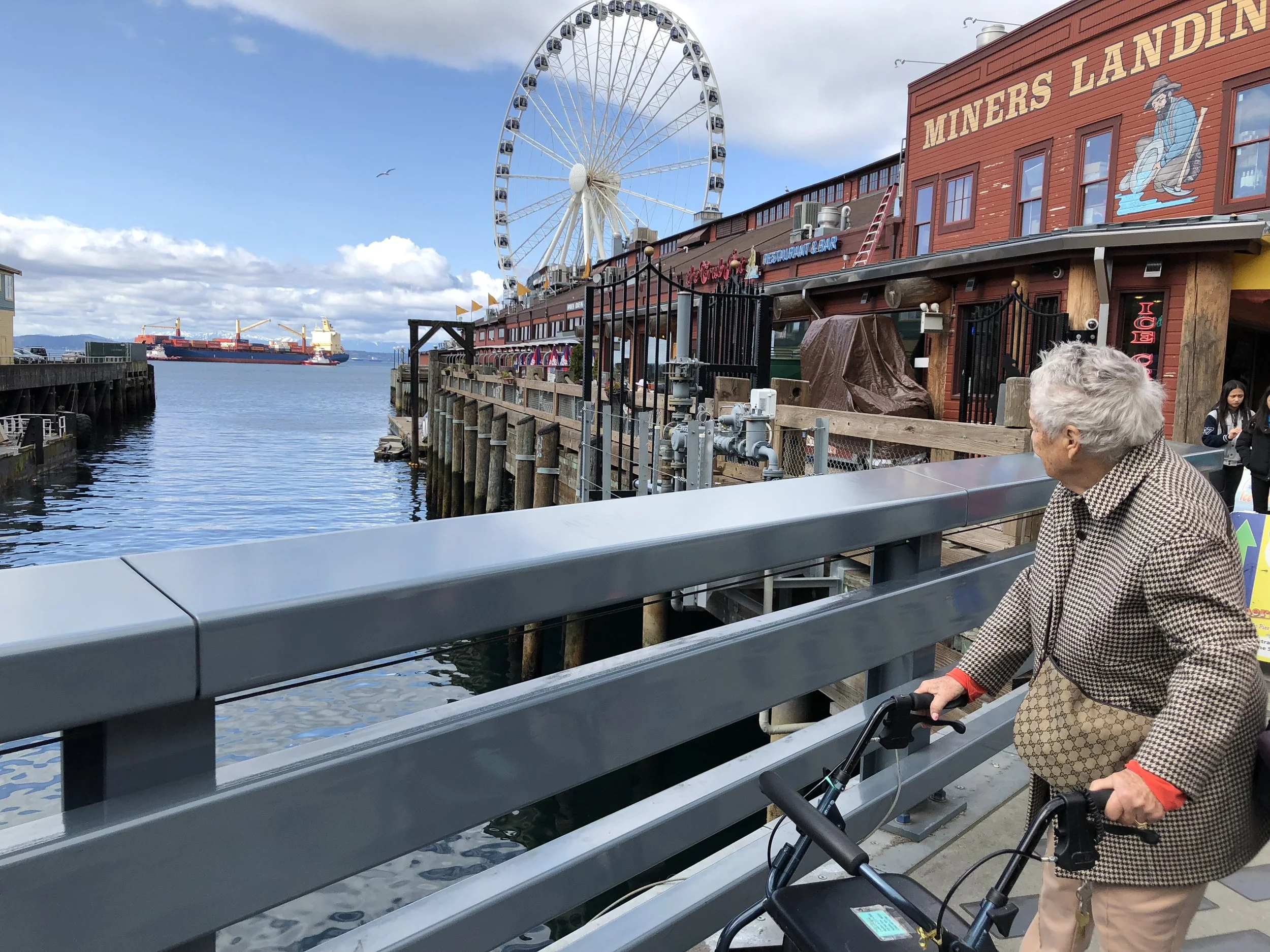
My Grandmother lived here for over 80 years. A woman who arrived in Seattle and lived in a boarding house in the 1930s until she passed away in 2023 would have watched a small, scrappy port city transform into one of the most consequential places on earth. She would have known which fishmonger at Pike Place had the best salmon, worn a path through her favorite downtown shops before the malls came and the storefronts changed, and kept up her daily walks through every decade and every neighborhood life took her to. She would have watched the city grow up around her family, the streets she knew by heart gradually filling in with new buildings and new faces, the skyline always a little taller than she remembered. Through all of it, the booms and the busts, the loss and the reinvention, the mountains never moved and the ferries kept crossing, and the city remained.

Let’s work together
If you've made it this far, you probably care about doing this right. That's exactly the kind of buyer or seller I love working with.
I brought 20 years of business experience to real estate for one reason — I believed people deserved better guidance on one of the biggest financial decisions of their lives. The last four years have been about delivering on that, one client and one transaction at a time. My approach is built around education and empowerment, so you always know where you stand and what comes next, whether you're buying your first home or selling one you've loved for years.
If you're ready to approach your next move with this kind of clarity and intention, and you want someone who treats your transaction with genuine care and rigor, I'd love to be part of that process. You deserve to feel confident and informed at every step, not just at the end. Reach out and let's start the conversation.